
The word fumigant might sound more technical than it actually is. In simple terms, a fumigant is a substance used to produce smoke or fumes, often by burning it. If you have ever burned herbs, resins, woods, or incense as part of a cleansing ritual, well… it means you’ve met a fumigant already!
What Is a Fumigant?
A fumigant is a substance that produces smoke, fumes, or vapor when it is burned, heated, or otherwise released. Fumigants can have practical purposes but its’s better known for it spiritual, magical and ritual practices.
to produce smoke as part of cleansing, purification, protection, offerings, or ritual work.
So, very simply: A fumigant is the material. Fumigation is the process of using it.
What Is Fumigation?
The purpose depends on the context.
In magical practice, someone might use the smoke from an herb or resin while cleansing a room, preparing a ritual space, or carrying out a specific magical working.
The smoke itself can also become part of the symbolism of the ritual. For many practitioners, watching smoke rise can create a feeling of movement, transformation or transition.
Fumigant vs. Suffumigation: What’s the Difference?
These words are easy to confuse.
A fumigant is the material that produces the smoke or fumes.
Fumigation describes the process of using smoke or fumes.
Suffumigation is a term often encountered in magical, occult, and historical ritual practices involving the burning of aromatic substances and allowing their smoke or fumes to rise.
Resins, herbs, woods, and incense can all be used in different forms of ritual fumigation or suffumigation.
The terminology can vary between traditions, so I wouldn’t treat these definitions as rigid rules.
What Materials Can Be Used as Fumigants?
Many different natural materials can produce smoke when burned or heated.
Some of the main materials used as fumigants are:
- herbs
- flowers
- resins
- woods
- roots
- dried plant material
- incense blends
Some examples commonly encountered in magical and spiritual practices include bay laurel, juniper, hyssop, agrimony, frankincense, myrrh and aloeswood. Each has its own history and traditional associations. You might use them to channel specific energies and work on an intention.
I often burn sage to cleanse the energy in my house. That gives me peace and a sense of calmness, especially when I feel like the energy is a bit too heavy.
Fumigants in Witchcraft and Spiritual Practice
Fumigation can be used in many different ways within witchcraft and other spiritual practices.
Best uses are:
- cleansing a ritual space
- purification
- protection
- preparing an altar
- blessing an object
- meditation
- prayer
- offerings
- creating a particular ritual atmosphere
There isn’t one universal magical meaning attached to smoke.nFor one practitioner, smoke might represent purification. For another, it might be connected with prayer or offerings.mFor someone else, it may simply help create a transition between everyday life and ritual time.
I like this last interpretation because it reminds us that magical tools don’t have to have only one meaning!!
Fumigants for Cleansing, Purification and Protection
One of the most familiar magical uses of fumigation is cleansing. In many magical traditions, aromatic smoke is used to symbolically cleanse a space before ritual or magical work.
Read more here: https://magickalspot.com/cleansing-herbs-magic/
How to Use a Fumigant Safely?
Whenever you burn herbs, resins, incense, or wood, remember that you are working with fire and smoke. Use a heat-resistant container designed for burning the material you have chosen, keep it away from curtains, paper, fabrics, and other flammable objects, and never leave burning materials unattended.
Good ventilation is also important. You don’t need a room full of smoke for a ritual to be effective and it can actually be dangerous!
A small amount of aromatic smoke can be enough to create the atmosphere you want.
If you are particularly sensitive to smoke, you can also explore smoke-free alternatives such as placing dried herbs on your altar or using other symbolic forms of cleansing.
Fumigant, Incense, Smudging and Smoke Cleansing: Are They the Same?
These terms are sometimes used online as the same thing, but they aren’t! BUT
If you are simply burning an herb as part of your own magical cleansing practice, terms such as fumigation, smoke cleansing or herbal cleansing may be more appropriate depending on what you are actually doing.
Smudging, however, deserves a little more care. The word is often used online as a generic term for burning herbs, but it also refers specifically to ceremonial practices within certain Indigenous traditions.
To learn more about smudging read here https://magickalspot.com/how-to-light-sage-for-smudging/
Common Fumigants and Their Traditional Uses
There are many herbs, resins, and woods that can be used as fumigants.
Here are a few examples you may encounter in magical and spiritual practices:
Bay Laurel
Bay laurel is traditionally associated with protection, purification, success, and banishing.
Its leaves can also be used in other forms of magical practice, making it a particularly versatile herb.
Juniper
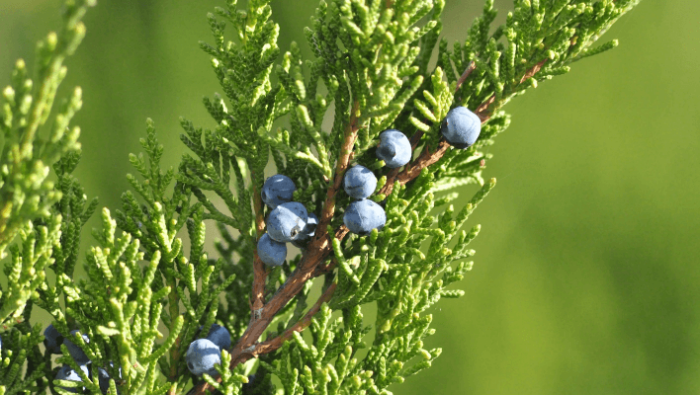
Juniper has strong associations with purification and protection. Its aromatic smoke has traditionally been used in cleansing practices.
Hyssop
Hyssop has a long history of association with cleansing and purification. In magical practice, it can be used when the intention is to clear or purify a space.
Agrimony
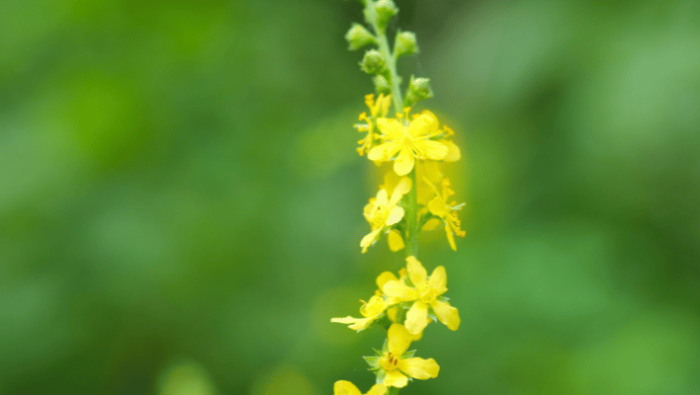
Agrimony appears in traditional magical practices connected with protection and banishing. It is another example of a plant whose historical folklore has contributed to its magical correspondences.
Frankincense
Frankincense is one of the best-known ritual resins. It has been used in religious and ceremonial contexts for centuries and is commonly associated with prayer, purification, spirituality and offerings.
Myrrh

Myrrh is another traditional aromatic resin with a long history of ritual use. It is often associated with purification, protection, spirituality and sacred ceremony.
Aloeswood
Aloeswood, also known as agarwood, is an aromatic wood used in incense and traditional ritual practices. Its rich fragrance makes it particularly interesting in practices involving meditation, offerings, and sacred atmosphere.
Sage

One of the most popular cleansing ingredient. You can use it to get rid of negative energy.
Palo Santo
This is another great option, a great substitute for sage and popular choice for spiritual and cleansing rituals. I love it for meditation.
Rosemary

When I don’t have sage nor palo santo, rosemary is my on the go herb! It’s great, especially to clear the energy but also to give some extra positive vibe and open yourself up to abundance.
Choosing a Fumigant for Your Practice
If you are choosing a fumigant for magical work, you don’t have to start with a huge list of correspondences. Start with your intention. Why are you doing it?
Are you cleansing?
Protecting?
Preparing a space for meditation?
Creating an atmosphere for ritual?
Making an offering?
Once you know what you want the practice to represent, you can choose an herb, resin or incense that has a traditional association with that intention.
You can also choose something simply because you enjoy its scent. There is nothing wrong with making your practice personal.
In fact, I think that is one of the most important parts of working with herbs and incense! Follow your instinct and your taste and you won’t be wrong!
Frequently Asked Questions About Fumigants
What is a fumigant?
A fumigant is a substance that produces smoke, fumes, or vapor when burned, heated, or otherwise released. In magical practice, herbs, resins, woods, and incense may be used as fumigants.
What is the difference between a fumigant and fumigation?
A fumigant is the material being used, while fumigation is the process of using smoke or fumes produced by that material.
What is suffumigation?
Suffumigation is a term used in magical and occult contexts for practices involving burning aromatic substances and using their smoke or fumes, often as part of ritual, purification, or offerings.
What herbs can be used as fumigants?
Depending on the tradition, herbs such as bay laurel, juniper, hyssop, agrimony, rosemary, sage, and other aromatic plants may be used.
Can resins be used as fumigants?
Yes. Resins such as frankincense and myrrh are traditionally burned to produce aromatic smoke and are widely associated with ritual and spiritual practices.
Are fumigation and smudging the same thing?
Not necessarily. Fumigation is a broad term for using smoke or fumes, while smudging can refer to specific Indigenous ceremonial practices. It is better not to treat the two words as universal synonyms.
What are fumigants used for in witchcraft?
Fumigants may be used in magical practices for symbolic cleansing, purification, protection, offerings, meditation, or preparing a ritual space. The meaning varies according to the tradition and practitioner’s intention.
How do you burn herbs safely?
Use an appropriate heat-resistant container, keep burning materials away from anything flammable, maintain adequate ventilation, and never leave burning herbs, resins, or incense unattended.
Final Thoughts
A fumigant is simply a material that produces smoke or fumes, but the practice surrounding it can be much more meaningful. For witches and other spiritual practitioners, herbs, resins, woods, and incense can become part of a ritual language. I love how something so easy can become part of a spiritual practice.
I also use fumigants to ask for help and guidance during a divination session but also, I love to observe what the smoke has to say. I consider everything part of messages from the spirit and being open to listen to it is my favorite part!


